
The 20-Minute Home Workout That Actually Builds Strength
You do not need a gym membership, a rack of weights or an hour to spare. With the right handful of movements and one simple principle, twenty minutes at home a few times a week is enough to get genuinely stronger.
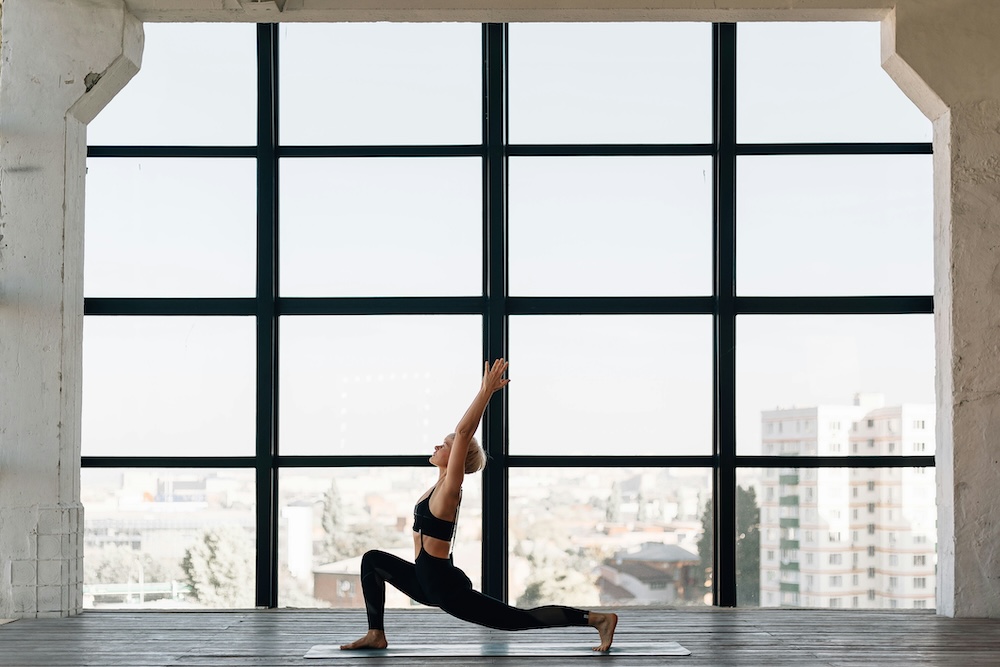
"Home workout" has an image problem. It conjures half-hearted star jumps in front of a laptop, or a routine so gentle it barely raises a sweat. So let us be clear from the top: you can build real, useful strength at home, with little or no kit, in about twenty minutes a session. The catch is not the equipment. It is knowing which movements matter and how to make them progressively harder.
The one principle that matters
If you take a single idea from this piece, make it this: muscles get stronger when you ask them to do a little more than they are comfortable with, then give them time to recover.
That "little more" is called progressive overload, and at home it does not have to mean heavier dumbbells. You can make a movement harder by doing more repetitions, adding another set, slowing the lowering phase right down, resting a little less between rounds, or moving to a tougher version of the exercise. The official UK advice puts it plainly: strength work should take you to the point where you would struggle to do another repetition, and it builds up over time. Everything else is detail.
The movements that earn their place
You do not need twenty different exercises. A handful of compound movements, ones that work several muscle groups at once, will train nearly your whole body. Pick one from each of these patterns:

A simple 20-minute session
Here is how to string it together. Nothing fancy, and every part adjusts to your level.
Strength comes from challenging your muscles close to fatigue, not from the postcode of the room you train in.
Getting stronger without getting hurt
Strength training is safe and good for you, but a few sensible habits keep it that way:

What to expect
Be patient, but not too patient. In the first few weeks most of your gains come from your nervous system getting better at recruiting muscle, so you will feel stronger and steadier surprisingly quickly. Visible changes take longer and depend on a great deal more than exercise alone. The people who get results are rarely the ones who train hardest for a fortnight; they are the ones who keep showing up, twenty unglamorous minutes at a time.
That is the quiet promise of home training. It removes almost every excuse. No commute, no queue for the squat rack, no special clothes. Just you, a small patch of floor, and the willingness to make it a little harder next week than it was this one.
This article is for general information and is not a substitute for personalised medical or fitness advice. If you are new to exercise, pregnant, or living with a health condition or injury, check with your GP before starting a new routine, and consider a session with a qualified trainer to learn good form.
More From HealthReview Daily
All Articles
The Truth About Ultra-Processed Foods, and What to Eat Instead
A plain-English look at what "ultra-processed" really means, why it matters, and simple swaps that fit a normal weekly shop.
Why You Wake at 3am, and How to Sleep Through Again
Middle-of-the-night waking is more common than you think. The everyday causes, and the small changes that help you settle back down.