
The Truth About Ultra-Processed Foods, and What to Eat Instead
They fill our supermarket trolleys and more than half our plates. Here is what the science actually shows about ultra-processed foods, what it does not, and how to eat well without turning every meal into a research project.

Few phrases have travelled from academic journals to kitchen tables as quickly as "ultra-processed food." A decade ago almost no one used it. Today it is on magazine covers, in Government reports, and increasingly on the tip of shoppers' tongues as they turn a packet over and squint at the ingredients.
The trouble is that the term is easy to say and surprisingly hard to pin down. Some people hear "ultra-processed" and picture crisps and fizzy drinks. Others quietly worry that their wholemeal bread or shop-bought hummus secretly belongs in the same bracket. So before we panic-audit the kitchen cupboards, it helps to be clear about what the phrase means, what the evidence genuinely supports, and where the honest uncertainty still lies.
What actually counts as "ultra-processed"?
The label comes from a system called NOVA, developed by researchers led by Carlos Monteiro in Brazil. Instead of sorting foods by their nutrients, NOVA sorts them by how much industrial processing they have been through. At one end sit unprocessed or minimally processed foods: fruit and vegetables, eggs, plain yoghurt, oats, plain nuts. Then come basic culinary ingredients such as oil, butter and salt, followed by simple processed foods like tinned fish, cheese or freshly baked bread.
Ultra-processed foods are the final group: industrially formulated products that usually contain ingredients you would never keep in your own kitchen, such as emulsifiers, sweeteners, colours, flavourings and protein isolates. Think fizzy drinks, packaged cakes and biscuits, many breakfast cereals, mass-produced breads and a good number of ready meals.
Crucially, "ultra-processed" is not simply a polite word for "junk food." Yes, most obvious treats fall into the group. But so do some foods marketed as healthy: certain wholegrain cereals, plant-based milks and protein bars among them. In UK data, only around half of ultra-processed foods are also officially "high in fat, salt or sugar," which is the measure most British food policy actually targets. In other words, the two labels overlap, but they are not the same thing.
What the evidence really says
Here it pays to be careful, because the headlines tend to run ahead of the science in both directions.
The strongest recent overview arrived in February 2024, when the BMJ published an umbrella review pulling together dozens of earlier analyses. It found that higher consumption of ultra-processed food was consistently associated with a greater risk of more than thirty health problems, including heart disease, type 2 diabetes, some cancers, poorer mental health and earlier death. The links were strongest and most convincing for cardiovascular and metabolic conditions and for mental wellbeing.
That sounds alarming, and it is worth taking seriously. But almost all of this evidence is observational: it shows that people who eat more ultra-processed food tend to have worse health, not that the food is definitely the cause. People with the highest intakes often differ in many other ways, from income to smoking to how much they move, and those differences are genuinely hard to untangle.
There is, however, one stronger piece of evidence. In a tightly controlled American trial, volunteers lived in a research unit and were offered either an ultra-processed or a minimally processed diet, carefully matched for calories, sugar, fat, salt and fibre, and told to eat as much or as little as they liked. On the ultra-processed diet they ate roughly 500 more calories a day and gained weight; on the minimally processed diet they lost it. Because everything else was matched, the result hints that something about the food itself, perhaps how quickly and easily it is eaten, nudges us to overeat.
"Ultra-processed" is not simply a fancy word for junk food, and eating well does not require eating perfectly.

So should you worry?
Not in a panicked way. Context matters, and the British context is striking: more than half the calories the average UK adult eats now come from ultra-processed foods, and among teenagers the figure is closer to two-thirds. When something makes up that much of the national diet, treating it as a rare hazard to be feared is neither realistic nor especially helpful.
It also helps to remember that not all ultra-processed foods are equal. Wholemeal supermarket bread, baked beans and a pot of lower-sugar yoghurt sit a world away from an energy drink, even if a strict reading of NOVA files them under the same heading. The useful question is rarely "is this technically ultra-processed?" but "what is this food mostly made of, and what is it replacing?"
What to eat instead
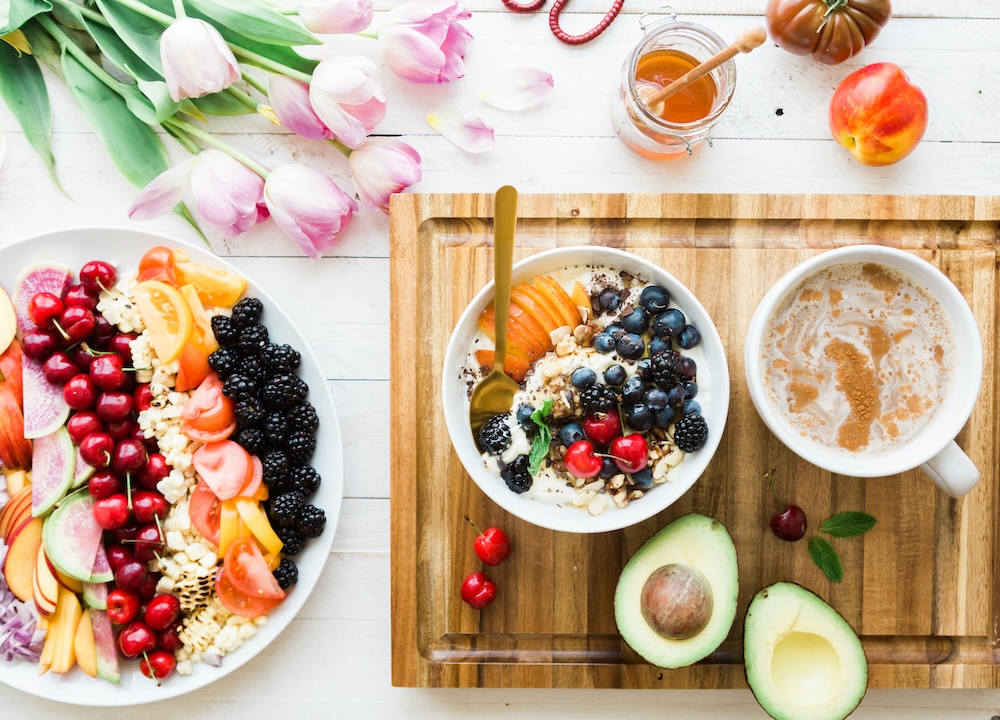
The good news is that you do not need a chemistry degree or a bigger budget to shift the balance. A few unglamorous habits do most of the work.
A sensible place to land
The evidence on ultra-processed food is strong enough to take seriously and too unsettled to justify guilt or extremes. Eating a little less of it, mostly by cooking a bit more and leaning on whole foods, is a sound bet that also lines up with almost every other piece of mainstream nutrition advice.
Eating well does not require eating perfectly. It just means tilting the everyday balance, most of the time, towards food that is closer to the way it grew.
This article is for general information and is not a substitute for personalised medical or dietary advice. If you have a health condition, are pregnant, or are planning significant changes to your diet, speak to your GP or a registered dietitian.
More From HealthReview Daily
All Articles
Why You Wake at 3am, and How to Sleep Through Again
Middle-of-the-night waking is more common than you think. The everyday causes, and the small changes that help you settle back down.

The 20-Minute Home Workout That Actually Builds Strength
No gym, no kit, no excuses. A straightforward routine for the living room, with guidance on building it up safely over time.